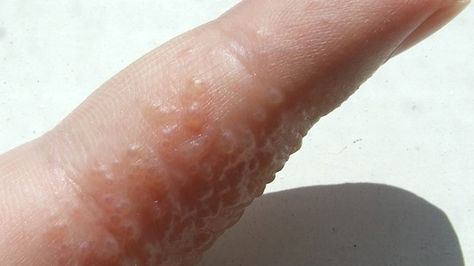
Introduction: Living with eczema can be challenging, but with the right knowledge and strategies, you can minimize flare-ups and keep your skin safe and healthy. Eczema, also known as atopic dermatitis, is a chronic condition characterized by dry, itchy, and inflamed skin. In this comprehensive blog, we will explore a range of effective strategies to help you manage eczema and maintain optimal skin safety.
- Hydrate and Moisturize: One of the fundamental pillars of eczema care is keeping the skin hydrated. Moisturizing regularly is key to preventing dryness and reducing itchiness. Choose a hypoallergenic and fragrance-free moisturizer and apply it liberally at least twice a day. Focus on areas prone to dryness, such as hands, feet, and joints.
- Gentle Cleansing: Avoid harsh soaps and cleansers that can strip the skin of its natural oils and disrupt the skin barrier. Opt for mild, fragrance-free cleansers specifically formulated for sensitive skin. When washing, use lukewarm water and pat your skin dry gently with a soft towel to retain moisture.
- Clothing Choices: Wearing the right clothing can make a significant difference in managing eczema. Opt for loose-fitting garments made from breathable, natural fabrics like cotton. Avoid rough or scratchy materials like wool, which can irritate the skin. Additionally, consider washing new clothes before wearing them to remove any potential irritants.
- Identify and Avoid Triggers: Every individual with eczema may have specific triggers that can worsen symptoms. Common triggers include certain foods, allergens, stress, environmental factors (such as heat and humidity), and irritants like harsh chemicals or fragrances. Keep a journal to identify your triggers and take steps to avoid or minimize exposure to them.
- Nail Care: Keeping your nails short and clean is crucial to prevent skin damage caused by scratching. Regularly trim your nails and file any rough edges. If scratching is a challenge, consider wearing cotton gloves or applying mittens at night to protect your skin during sleep.
- Hypoallergenic and Fragrance-Free Products: Choose skincare products that are hypoallergenic, fragrance-free, and specifically designed for sensitive skin. Look for labels that indicate the absence of common irritants such as artificial fragrances, dyes, and preservatives. Be cautious when trying new products, and perform patch tests before applying them to larger areas of your skin.
- Stress Management: Stress is known to trigger or exacerbate eczema flare-ups in many individuals. Explore stress management techniques that work for you, such as practicing mindfulness, deep breathing exercises, yoga, or engaging in hobbies that promote relaxation. Prioritize self-care and make time for activities that bring you joy and help you unwind.
- Climate Considerations: Extreme temperatures can impact eczema-prone skin. Cold, dry air can lead to dryness and worsen symptoms, while excessive heat and sweating can trigger flare-ups. Protect your skin by dressing appropriately for the weather, using humidifiers in dry seasons, and avoiding overheating.
- Seek Professional Advice: If your eczema symptoms persist or worsen despite your efforts, it’s essential to seek guidance from a dermatologist or healthcare professional. They can provide an accurate diagnosis, recommend suitable treatment options, and offer personalized advice based on the severity of your condition.
Conclusion: By implementing these effective strategies for eczema care and skin safety, you can take control of your condition and minimize flare-ups. Remember that eczema management is a personalized journey, and what works for one person may not work for another. Be patient, consistent, and proactive in managing your triggers and maintaining a healthy skincare routine. With proper care and attention, you can lead a fulfilling life while effectively managing eczema.


 MedicoTalks
Leave a comment