Introduction
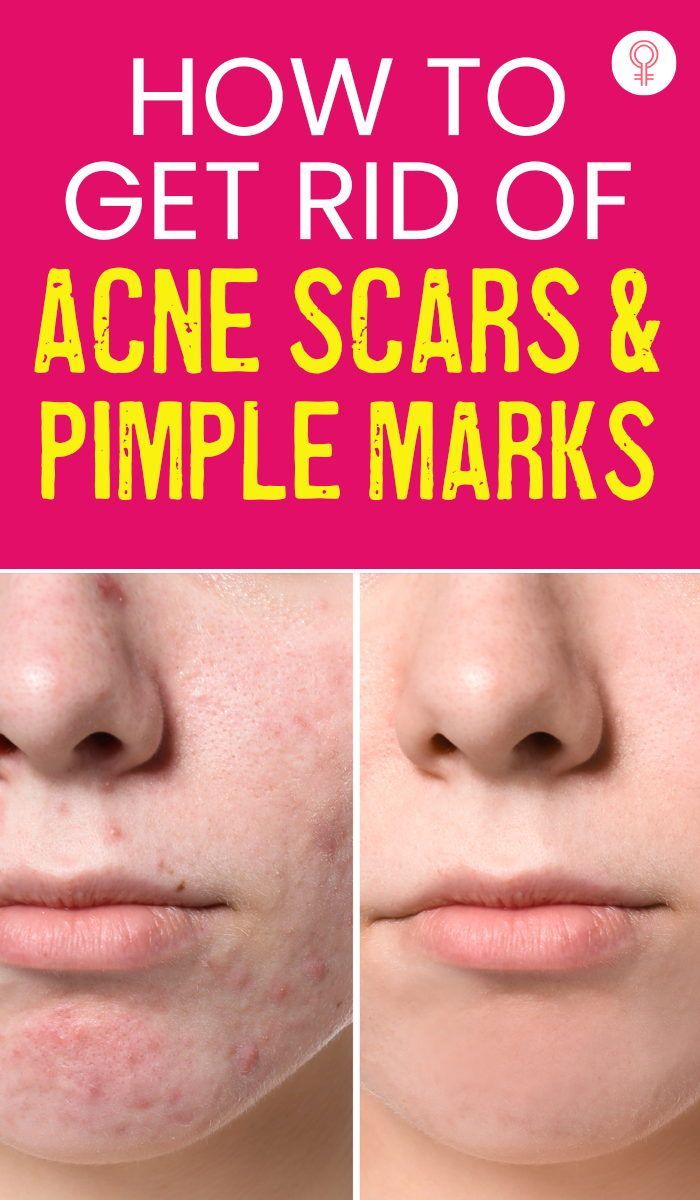
Acne can be a frustrating and challenging skin condition to deal with, leaving behind not only emotional scars but physical ones as well. After successfully battling acne, many individuals are left with acne spots and scars, longing for clear, radiant skin once again. If you’re one of them, don’t despair! In this blog, we will explore effective strategies to help you recover from acne spots and scars and regain your confidence in your skin.
Understanding Acne Spots and Scars
Before diving into the solutions, it’s crucial to understand the two primary types of post-acne marks: acne spots (also known as post-inflammatory hyperpigmentation) and acne scars.
- cne Spots (PIH – Post-Inflammatory Hyperpigmentation): These are flat, discolored marks that appear after an acne pimple heals. They range in color from pink to dark brown and result from an overproduction of melanin during the healing process.
- Acne Scars: Unlike spots, scars are a result of damage to the skin’s collagen fibers during the inflammatory response to acne. Scars can appear as depressions (atrophic scars) or raised areas (hypertrophic scars) on the skin.
Now, let’s explore how to treat and heal both types of marks.
Treating Acne Spots
- Sun Protection: Always wear sunscreen with SPF 30 or higher to prevent further darkening of the spots. UV rays can exacerbate hyperpigmentation.
- Topical Treatments: Look for products containing ingredients like niacinamide, vitamin C, kojic acid, or alpha hydroxy acids (AHAs) to fade spots gradually. These ingredients can help inhibit melanin production and encourage skin cell turnover.
- Prescription Medications: If your spots are stubborn, consult a dermatologist who can recommend prescription-strength treatments such as topical retinoids or hydroquinone.
- Patience: PIH can take several weeks or even months to fade, so be patient and consistent with your skincare routine.
Treating Acne Scars
- Microneedling: This minimally invasive procedure involves tiny needles that stimulate collagen production and can help improve the appearance of scars over time.
- Chemical Peels: Peels containing glycolic or salicylic acid can help exfoliate the top layers of the skin, reducing the appearance of scars.
- Dermal Fillers: For atrophic scars, dermal fillers can be injected beneath the scar to lift and smooth the skin’s surface.
- Laser Therapy: Fractional laser treatments can target scar tissue and stimulate collagen production, leading to smoother skin.
- Surgical Options: In some cases, surgical procedures like punch excision or subcision may be recommended by a dermatologist.
General Tips for Skin Recovery
- Hydration: Keeping your skin well-hydrated helps in the healing process. Use a gentle, hydrating moisturizer daily.
- Healthy Lifestyle: Eating a balanced diet rich in antioxidants and staying hydrated will promote overall skin health.
- Avoid Picking: Resist the urge to pick at your skin. Picking can worsen scars and delay the healing process.
- Consult a Dermatologist: If your scars or spots are severe or not responding to over-the-counter treatments, consult a dermatologist for a personalized treatment plan.
Conclusion
Recovering from acne spots and scars takes time and effort, but with the right skincare regimen and, in some cases, professional treatments, you can achieve clearer, healthier skin. Remember, everyone’s skin is unique, so what works for one person may not work for another. Be patient, stay consistent, and embrace your journey to radiant, blemish-free skin. You deserve it!


 MedicoTalks
Leave a comment